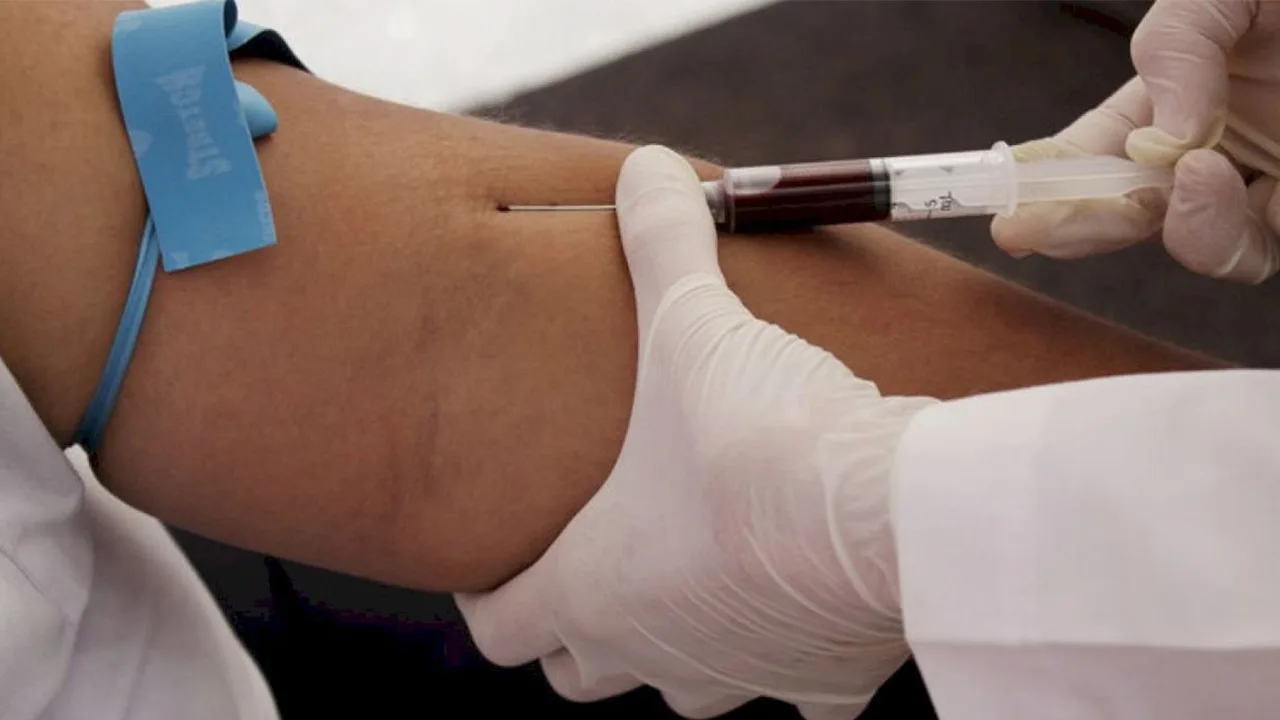
A vasectomy is a procedure that involves tying and cutting the vas deferens for permanent birth control. It is a minor procedure that takes a short amount of time, causes minimal pain, allows for quick recovery, and does not affect sexual performance or hormone levels. The cost depends on the technique used (scalpel or no-scalpel). After the procedure, contraception must be maintained for a period until sperm is no longer detected. It is advisable to consult a specialist before making a decision, as it is a form of permanent birth control.
Male sterilization, or Vasectomy, is a permanent birth control method for men that is popular worldwide due to its targeted approach and high effectiveness. However, many men still have concerns, whether it's about the cost of a vasectomy, whether it is truly painless, or if it will affect sexual performance.
As a specialized male sterilization clinic overseen by Urologists, we will address 5 important questions that everyone wants to know before deciding to undergo male sterilization surgery for confident family planning.
What is a male sterilization (Vasectomy)?
A vasectomy is a male sterilization procedure that is considered a "minor surgery," with the sole aim of "cutting" and "tying" the vas deferens on both sides.
Mechanism of Action (How it works):
- The body (testes) continues to "produce" sperm normally.
- However, the sperm produced "cannot" travel through the severed duct.
- The sperm will naturally break down.
- When you ejaculate, the semen that comes from the prostate and other glands will still have the same "volume" and "appearance" as before... except that it will contain "no sperm" (Zero Sperm Count).

5 Things to Know Before Deciding on Permanent Birth Control for Men
Here are the 5 main points that patients often ask doctors before making a decision.
1. (Misconception) Male sterilization does "not" affect sexual function (ED) and hormones.
This is the number one concern for men, which in medical terms is:
- No impact on erection: A vasectomy is a surgical procedure that only involves the "vas deferens" and does not interfere with the "nerves" or "blood vessels" that control erection (Cavernosal Nerves) at all.
- No impact on hormones: The testes continue to produce testosterone and release it into the bloodstream normally at 100%. Your sexual desire (libido), feelings, or masculinity remain the same.
- You can still ejaculate: You are still able to "reach orgasm" and "ejaculate" normally; the semen that is released just does not contain sperm.
In summary, male sterilization does not cause ED. If you experience ED after the procedure, it is often due to "other causes" such as psychological concerns, underlying conditions (diabetes, heart disease), or advancing age, which should be addressed.Consult a specialist in ED.Separate
2. Is "painless male sterilization" really possible? (No-Scalpel technique)
The term "Painless" may be an exaggeration in advertising, but in medical practice, we can achieve "Minimal Pain."
- No need for anesthesia: atMENdical ClinicThis procedure is performed "without general anesthesia"; we only use "local anesthesia."
- The "No-Scalpel" technique: The Urologist will use a special instrument to create a very small opening (about 2-3 mm) in the scrotum to access and ligate the vas deferens.
- "Small wounds": Because the puncture hole is very small, sometimes it is "not necessary to stitch" the wound at all, resulting in a "shorter recovery time."
- Summary of pain: You will feel slight pain only during the local anesthesia injection (similar to a dental procedure). After that, you will not feel any pain during the procedure.

3. What does "permanent sterilization" mean? (Procedure and result confirmation)
Male sterilization is considered a permanent form of birth control for men and is highly effective (close to 99.9%).
"But wait!" You are not "infertile" immediately on the day of the surgery!
- Why? Because there are still "sperm" remaining in the duct (the part beyond the junction) waiting to be ejaculated.
- What should be done? You need to use another method of contraception, such as condoms, for now.
- When will it be complete? After a vasectomy, it will be about 2-3 months or after approximately 15-20 ejaculations before the doctor schedules a follow-up for a "Semen Analysis."
- Confirmation of results: A vasectomy is considered "complete" only when the semen analysis shows "no sperm detected" (Zero Sperm Count).
4. "What is the price of male sterilization?"
The cost of male sterilization surgery varies between different healthcare facilities (public hospitals, private hospitals, or specialized male sterilization clinics).
- General price (hospital/clinic): The price will be in the range of approximately 20,000 – 30,000 Baht (depending on the technique used and whether it includes consultation fees/medication costs).
5. "Where is the best place for a male sterilization?" (Why should it be a Urologist?)
Where is the best place for male sterilization surgery? This is an important decision. You should choose a clinic based on the following considerations:
- The Specialist:
- Should be performed only by a specialist in urology (Urologist).
- Why? Because a Urologist is a surgeon specialized in the anatomy of the testes and the vas deferens. They have expertise in locating the ducts (which are very small) and performing procedures with precision.
- Location:
- Deciding to undergo a vasectomy is a personal matter. Many people prefer not to go to busy hospitals, clinics in shopping malls, or those close to community areas.
- Choosing a specialized male sterilization clinic like MENdical Clinic allows you to receive services in an environment that offers "maximum privacy," reducing your concerns.
- Technique:
- You should choose a clinic that uses modern techniques, such as No-Scalpel, which results in "smaller wounds" and "less pain."
How many days for recovery? Self-care after a male sterilization (Vasectomy).
This is the most frequently asked question, along with the topic of whether male sterilization is painless or not. It concerns self-care after the procedure. Here is a general recovery timeline:
1. The first 48 hours
- Symptoms: You may feel slight pain or a mild ache around the wound when the anesthesia wears off. You can take pain relief medication as prescribed by your doctor.
- Care:
- Rest: You should get as much sleep as possible (avoid excessive walking).
- Cold compress: Use a cold gel pack (Cold Pack) wrapped in a clean cloth to apply to the scrotum (apply for 15 minutes, rest for 15 minutes) to help reduce swelling.
- Underwear: Wear snug underwear (such as swim trunks or briefs) to support the testicles and reduce movement of the incision.
- Wound: Keep the wound dry (avoid bathing or soaking).
2. A period of 3 – 7 days
- Symptoms: The dull pain has improved significantly. There may be slight purple bruising around the scrotum, which is normal and will resolve on its own.
- Care:
- Bathing: You can bathe as usual (after 48 hours), but be sure to pat the wound dry.
- Back to work:
- Office work: You can return to work 2-3 days after the procedure.
- For physically demanding work: You should rest for at least 7 days.
- Activity: "Avoid" heavy lifting, intense exercise, or cycling/motorcycling for 1 week.
3. Period of 1 – 2 weeks
- Symptoms: The wounds usually heal well, and the pain or discomfort has almost completely disappeared.
- Care:
- Sexual intercourse: You can resume sexual activity when you feel that the wound has healed well and is not painful.
- !!! Most importantly: !!! You are currently “not sterile.” You need to “use other contraceptive methods” such as condoms every time.
4. Period of 2 – 3 months (result confirmation)
- Confirmation of results: A vasectomy is considered "complete" only when the semen analysis shows "no sperm present" at all.
- What should be done? After a vasectomy for about 2-3 months (or after approximately 15-20 ejaculations), the doctor will schedule a follow-up appointment for you to undergo a "Semen Analysis."
- You can only have sexual intercourse without contraception when the result is "zero."
Summary: A worthwhile decision for family planning.
Male sterilization is a demonstration of responsible family planning that is highly effective and is a minor surgical procedure with low risk when performed by a specialist.
According toAmerican Urological Association (AUA)Male sterilization (Vasectomy) is considered an effective permanent birth control method that does not affect hormone levels or sexual performance.
If you and your partner have firmly decided that you do not want to have more children, male sterilization is one of the best options.
Interested in consulting about male sterilization or inquiring about the price for male sterilization, which is 24,900 baht?
Contact us via Line to receive a consultation from our urologists today!