Increasing testosterone levels naturally can be achieved by adjusting your lifestyle, including weight training, getting enough sleep, managing weight, reducing stress, consuming foods rich in zinc and vitamin D, and minimizing sugar and alcohol intake. These methods can effectively stimulate hormone production in the long term. If symptoms of low hormone levels persist, it is advisable to check hormone levels with a specialist doctor.
How does low testosterone affect you?
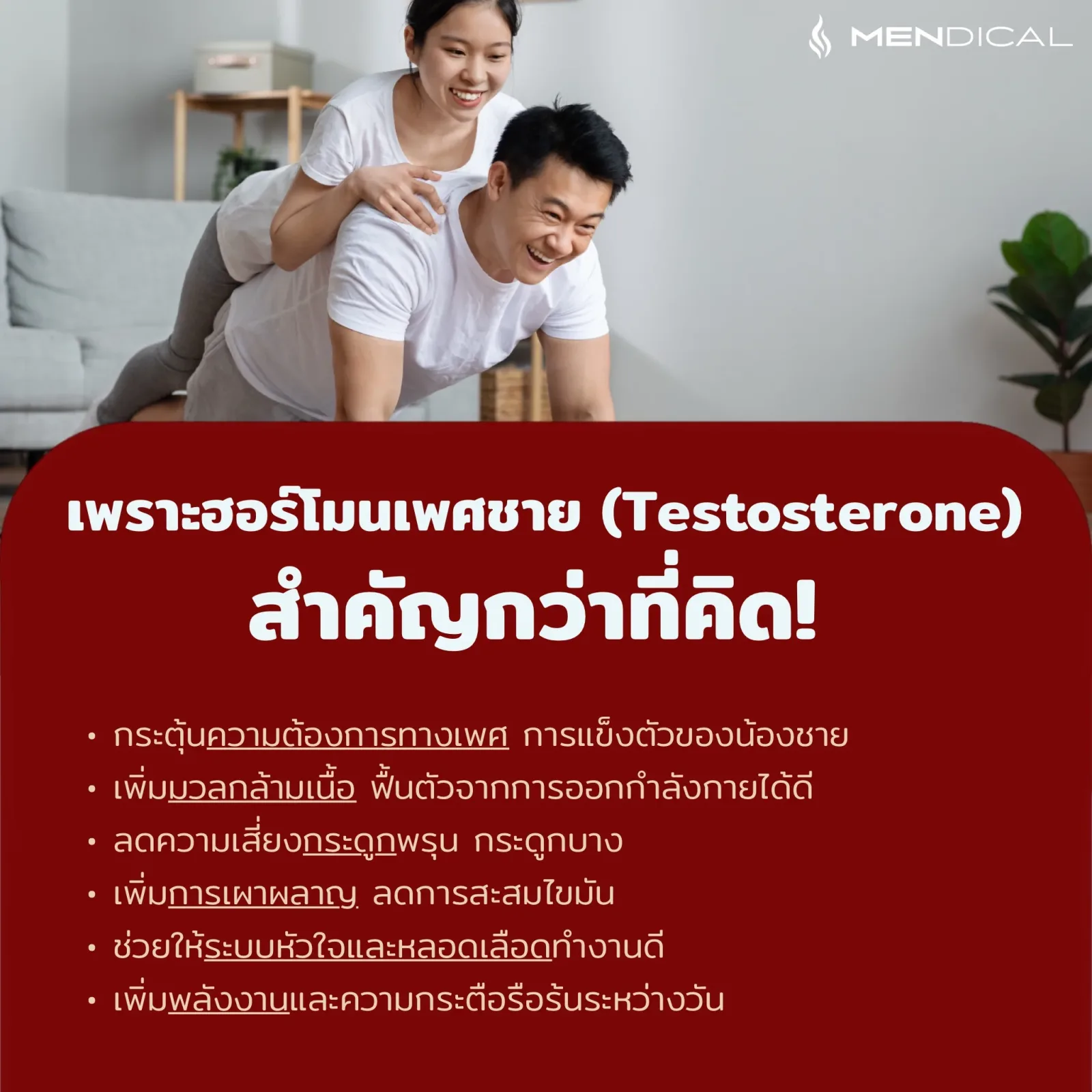
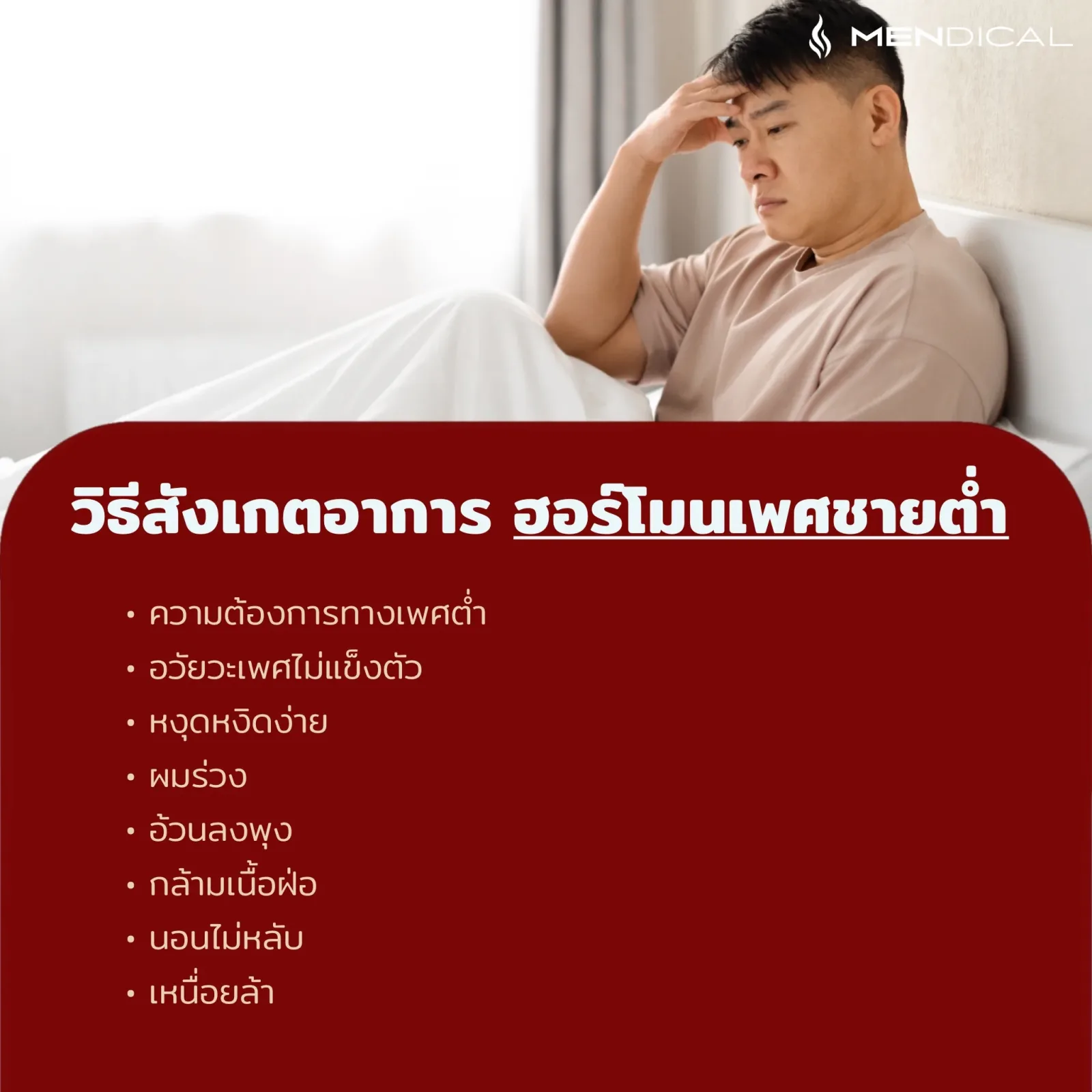
Testosterone is not only related to sexual function but also affects muscle, energy, mood, concentration, and metabolism. When levels decrease, symptoms may occur.Fatigue, lack of motivation, irritability, poor sleep, decreased muscle mass, increased belly fat, and reduced sexual desire.
The full infographic below outlines 7 behaviors that can naturally boost testosterone levels, one by one.

7 Natural Ways to Boost Testosterone
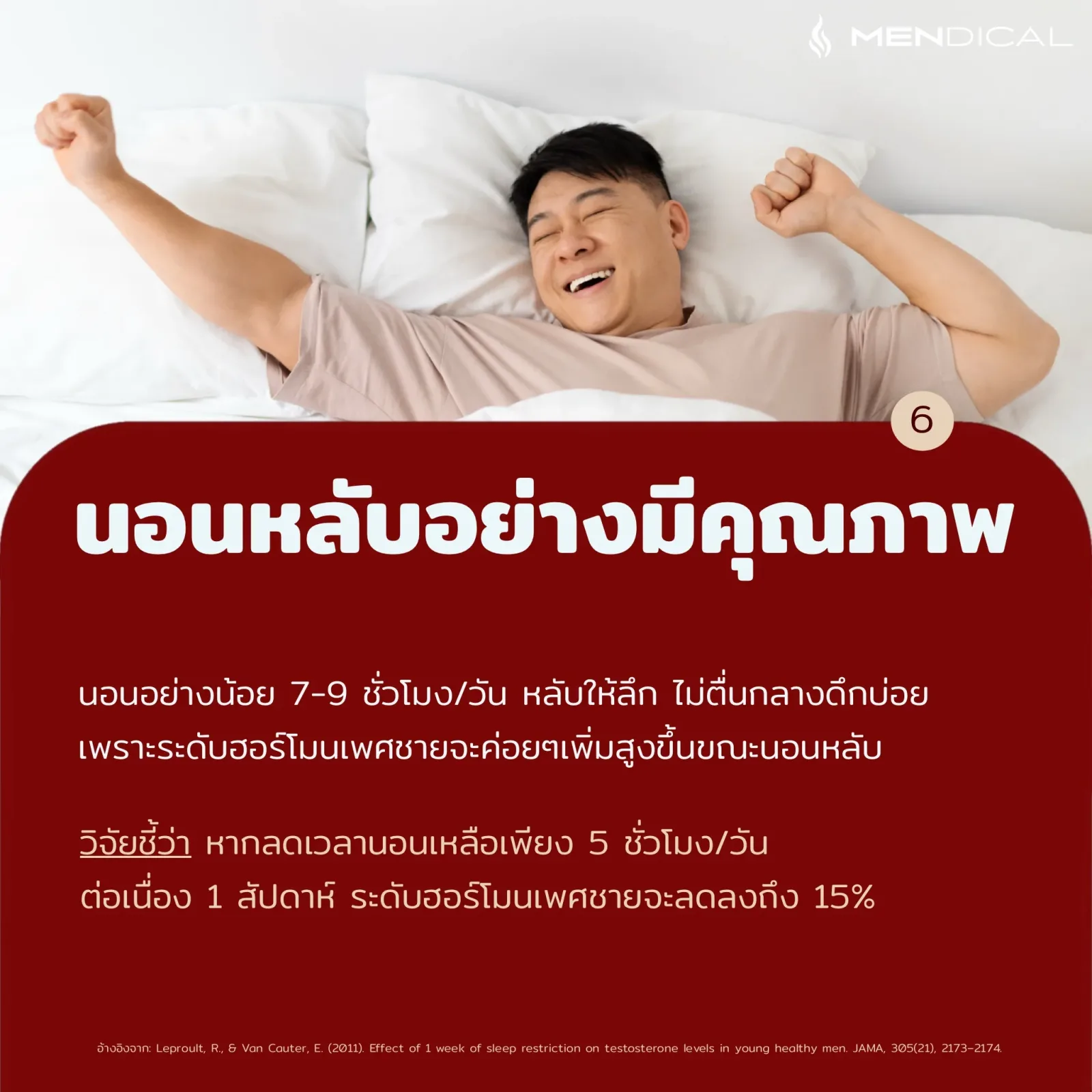
- Sleep adequately for 7–9 hours.Testosterone is produced in higher amounts during deep sleep. Chronic sleep deprivation clearly lowers its levels.
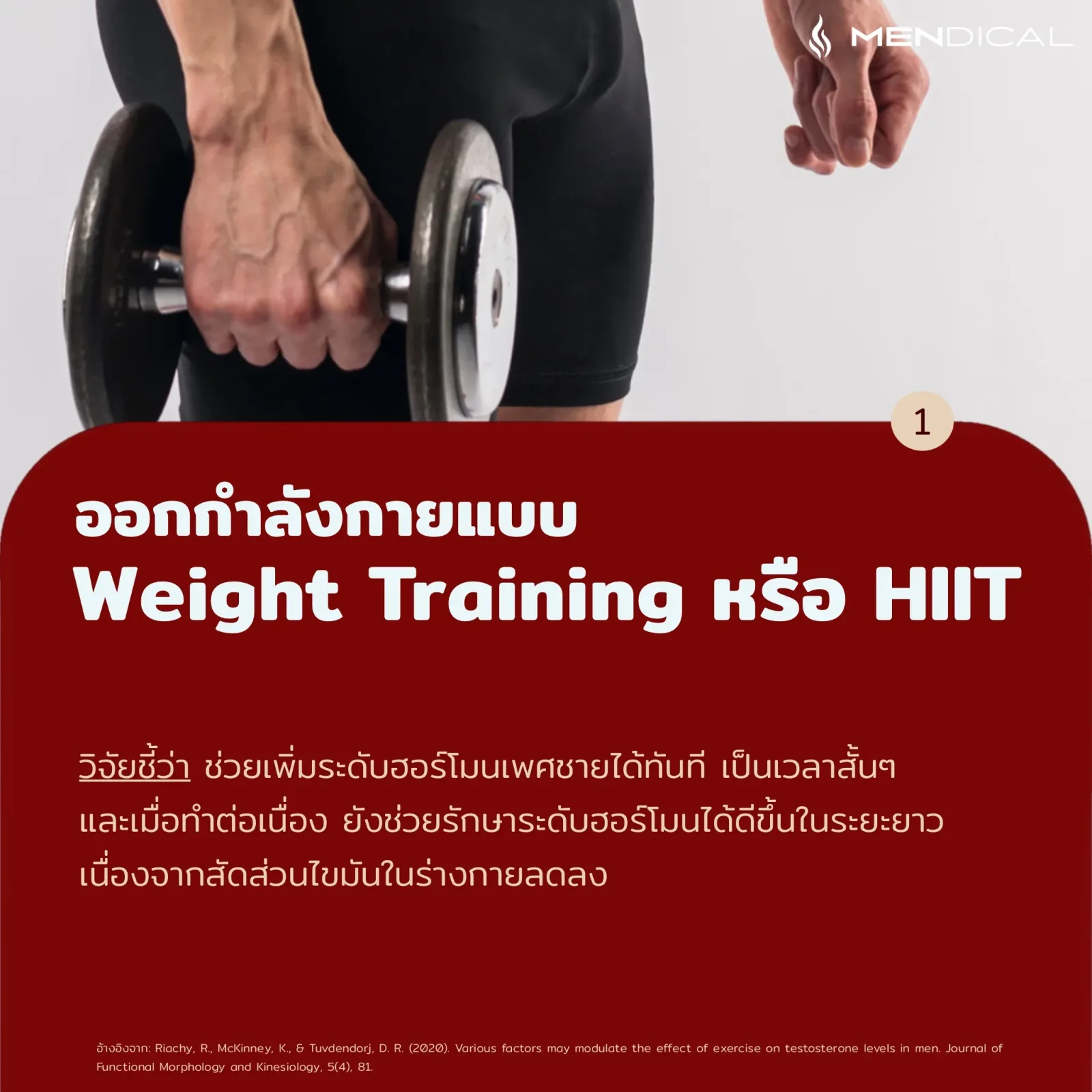
- Weight training + HIIT:Resistance and heavy interval training with rest is the most effective way to stimulate testosterone production.
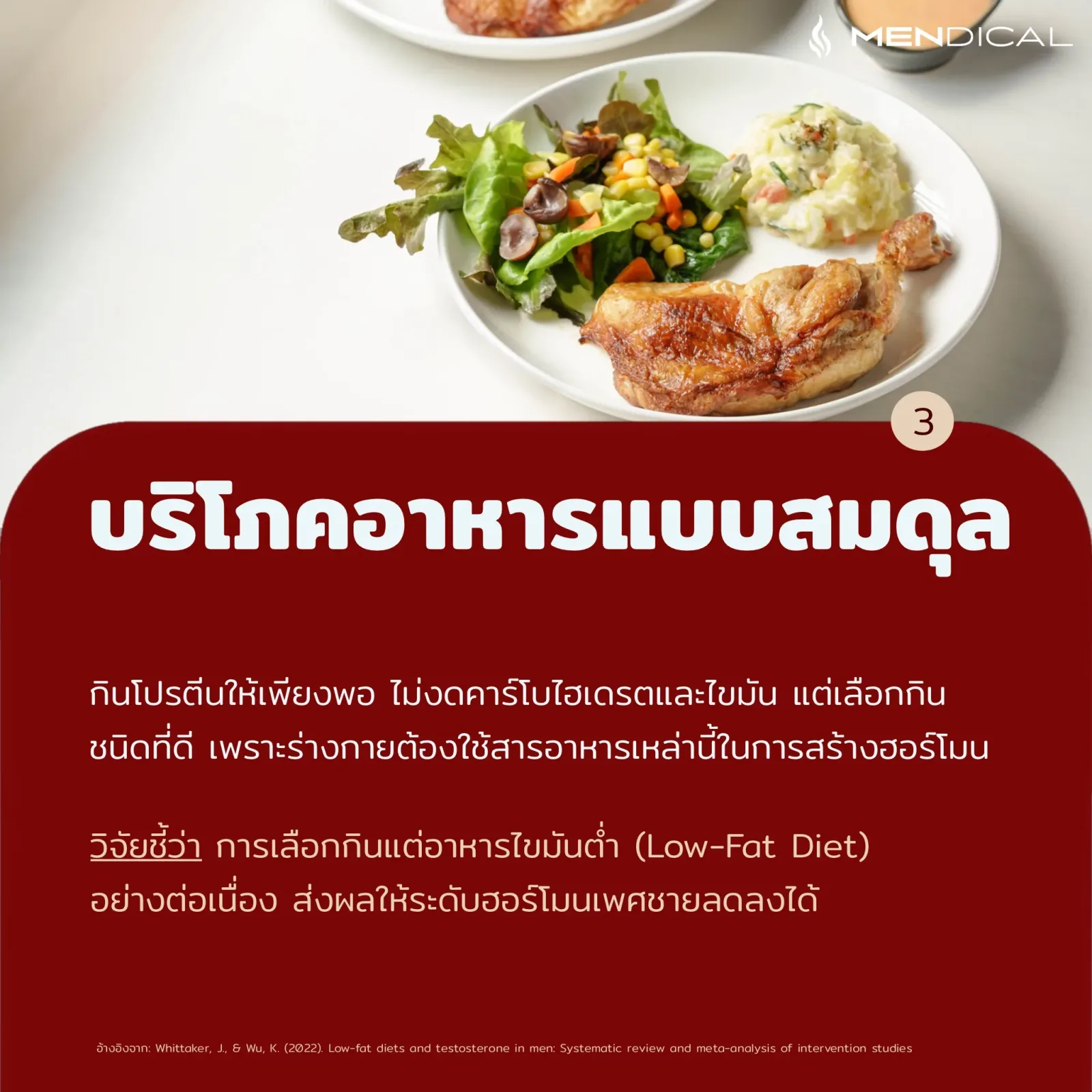
- Consume enough protein and healthy fats.Healthy fats (such as olive oil, eggs, and fish) are essential for hormone production. Do not restrict fat intake too much.
- Supplement with zinc and vitamin D:Minerals that are commonly deficient and directly related to hormone levels.
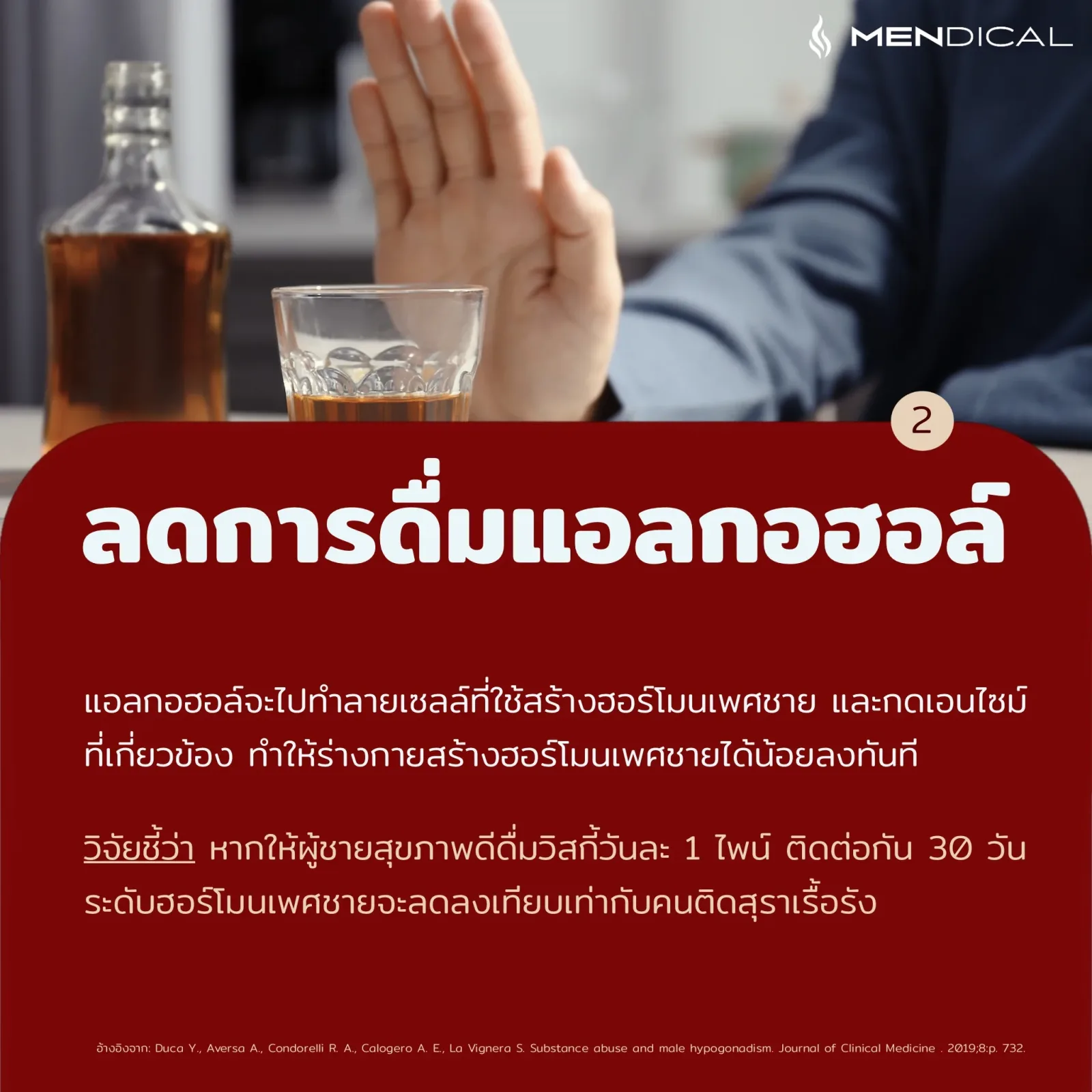
- Reduce sugar and alcohol:High sugar levels and heavy drinking suppress testosterone production.
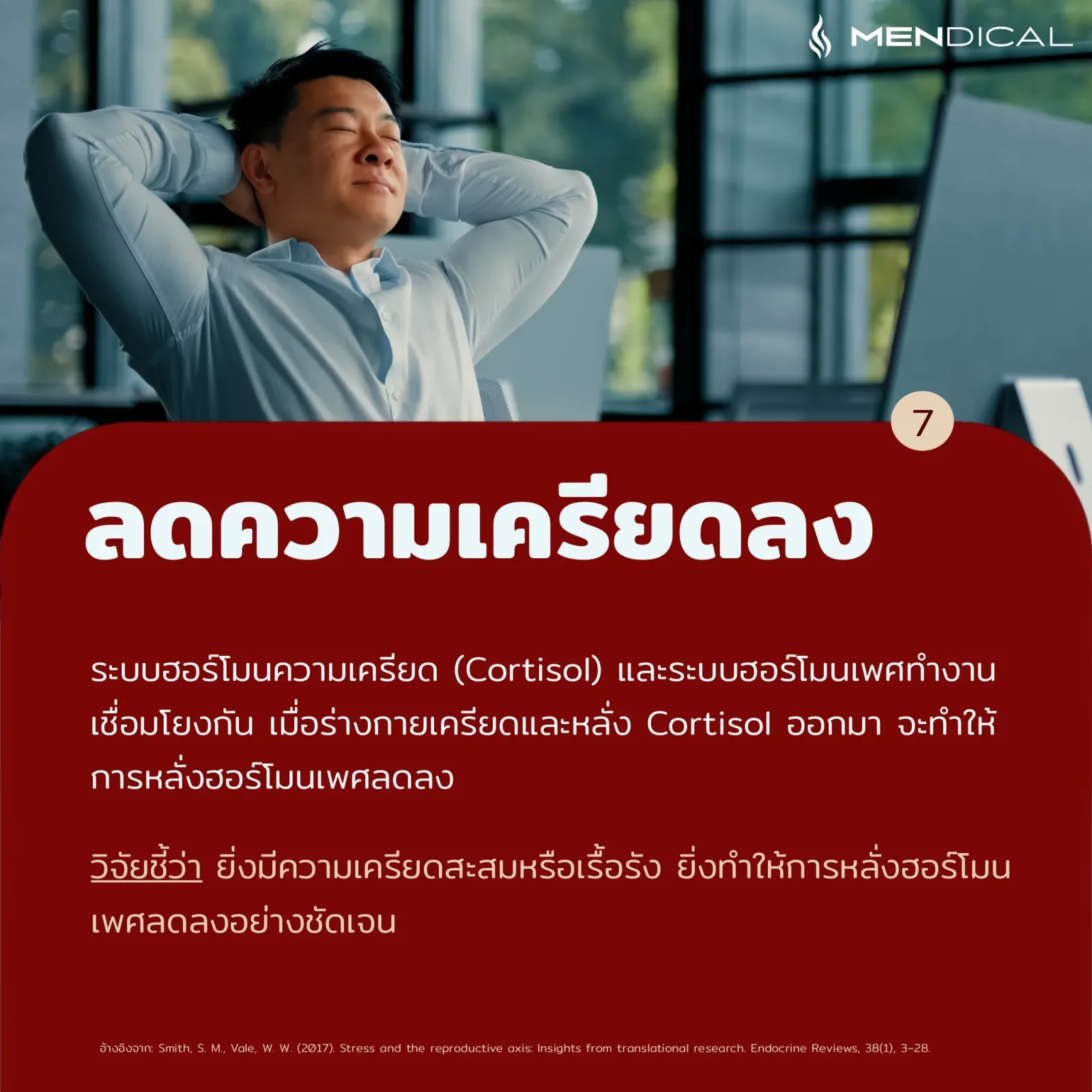
- Manage stress:Chronic high cortisol levels will counteract testosterone.
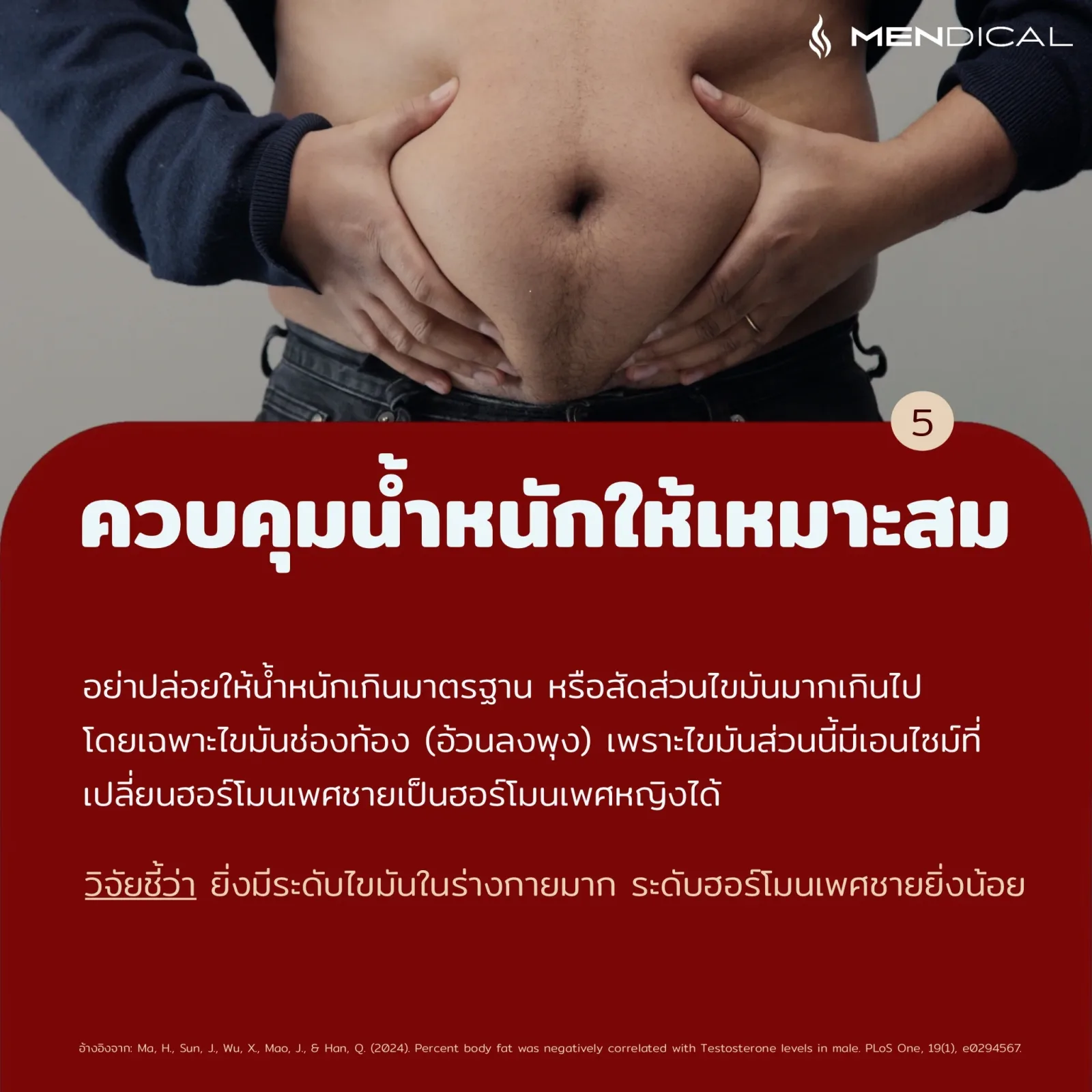
- Weight management/abdominal fat reduction:Excess fat converts Testosterone into estrogen. Reducing belly fat helps restore hormone levels.
When should hormone testing or a doctor's visit be conducted?
If lifestyle changes do not improve symptoms within 2–3 months, or if there are clear signs of male menopause, it is advisable to...Testosterone level testingTo determine if it is truly low, if it is significantly low, the doctor may consider.Testosterone Replacement Therapy (TRT)Along with behavior modification, read more atTest and manage testosterone levels.
Video: Signs of Low Testosterone

Frequently Asked Questions (FAQ)
What foods help increase testosterone levels?
Foods rich in zinc (oysters, red meat), vitamin D, healthy fats (eggs, fish, olive oil), and sufficient protein help provide the building blocks for hormone production, alongside reducing sugar and alcohol intake.
What type of exercise increases testosterone?
Weight training (resistance exercise) and HIIT are the most effective in stimulating testosterone production, while prolonged heavy cardio may not be as beneficial.
Do dietary supplements really help increase hormones?
Zinc and vitamin D can help if the body is deficient, but general booster supplements often lack clear evidence. It is advisable to check levels first and consult a doctor instead of purchasing them on your own.
How long does it take to see results from lifestyle changes?
Most people start to feel better within 4–12 weeks if they continue. If there is no improvement, hormone levels should be checked to identify the cause.
Where can I get a testosterone hormone test?
You can get tested at MENdical Clinic by a specialist, with a blood test to check testosterone levels and an assessment of symptoms. Initial consultation is free via LINE @mendical.